The MAONO PD100W combines a wireless option with USB connectivity, voice-focused controls, and customizable lighting for gaming, streaming, and everyday recording.
This MAONO PD100W Wireless Dynamic Gaming Microphone review looks at how that mix may suit a flexible desktop setup and where buyers should check compatibility before choosing it.
MAONO PD100W Review Summary
The quick verdict
600+ ratings
Read Amazon ReviewsMAONO PD100W
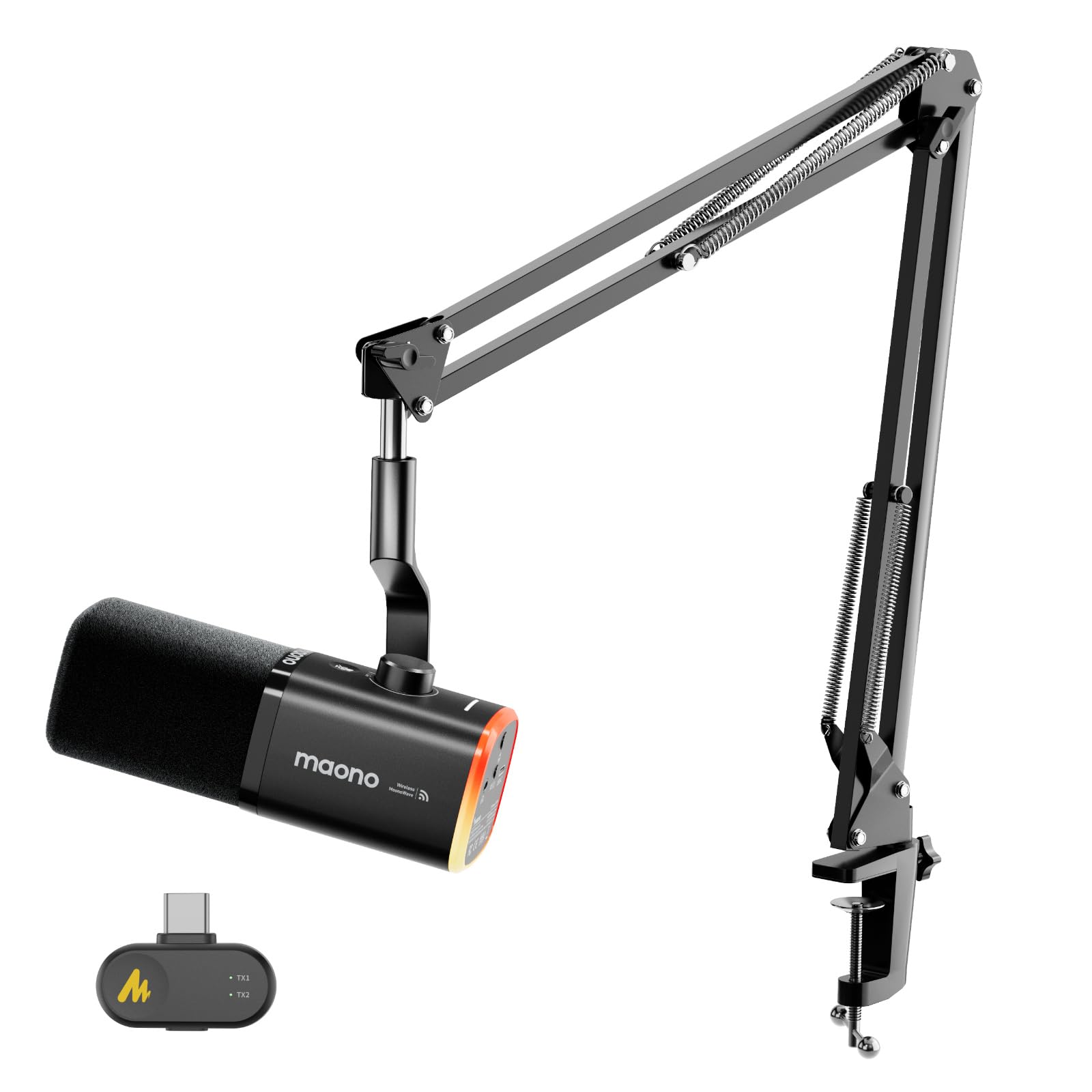
A practical fit for gamers and creators who want wireless or USB recording, onboard mute and monitoring, and adjustable voice controls in one desktop microphone.
- Dual connection modes: plug-and-play USB wired operation and 2.4G wireless operation.
- A 30 mm dynamic capsule with cardioid pickup, 50 Hz–16 kHz frequency response, 82 dB signal-to-noise ratio, and 125 dB SPL handling.
- One-click noise reduction with low, medium, and high adjustment levels.
- An 8 mm high-density foam windscreen and precision pop filter are designed to reduce breath pops and plosives.

Pros
- Wireless and USB modes give buyers a choice between a less cluttered desk and a wired connection.
- Onboard mute, headphone monitoring, and a combined control knob make common adjustments accessible at the microphone.
Consider before buying
- It is not compatible with Xbox consoles, and iPhone use requires a separate PD100W Lightning receiver.
- Wireless operation depends on battery charge; buyers who prefer not to manage charging may want to plan on USB mode.
Read the full review summary
The PD100W is designed for people who want fewer cables on their desk without giving up a wired option.
Its 2.4G wireless mode and USB plug-and-play connection provide two ways to connect, while the described compatibility spans computers, laptops, mobile phones, and PS5.
Xbox consoles are excluded, and iPhone use requires a separate Lightning receiver, so buyers should confirm their exact setup before ordering.
For gaming chats, livestreams, podcasts, and online meetings, the appeal is the combination of a dynamic cardioid capsule, adjustable noise reduction, touch mute, headphone monitoring, and a control knob for gain and volume.
The RGB lighting is optional, and the Maono Link software adds customization.
Its rechargeable battery is described as supporting up to 40 hours, making cordless use practical for longer sessions, though battery life can vary with use and settings.
The buying factors
MAONO PD100W Scorecard
Editorial scores reflect listed features and buyer fit; they are not laboratory measurements or customer ratings.
Connection flexibility
USB wired and 2.4G wireless modes provide a useful choice for desk and mobile setups, with some device exclusions to check.
Voice-control features
Three noise-reduction levels, a gain and volume knob, and software tuning offer several ways to shape everyday voice capture.
Monitoring and mute
A headphone jack supports real-time monitoring, and touch mute offers quick control during calls or streams.
Battery convenience
The stated maximum of up to 40 hours and battery monitoring support cordless sessions, subject to settings and usage.
Voice-focused design
A cardioid dynamic capsule, pop filter, and foam windscreen are aimed at voice use and plosive control.
Setup customization
RGB modes, brightness and color adjustment, and Maono Link software allow some personalization.
Key Features and Specifications of MAONO PD100W
- Dual connection modes: plug-and-play USB wired operation and 2.4G wireless operation.
- A 30 mm dynamic capsule with cardioid pickup, 50 Hz–16 kHz frequency response, 82 dB signal-to-noise ratio, and 125 dB SPL handling.
- One-click noise reduction with low, medium, and high adjustment levels.
- An 8 mm high-density foam windscreen and precision pop filter are designed to reduce breath pops and plosives.
- Touch-sensitive mute, a 3.5 mm headphone jack for real-time monitoring, and a combined gain and volume knob.
- Customizable RGB lighting with eight dynamic colors, three lighting modes, adjustable brightness, and Maono Link software controls.
- A built-in 1500 mAh rechargeable battery with a stated runtime of up to 40 hours and battery monitoring.
Pros and Cons of MAONO PD100W
Pros
- Wireless and USB modes give buyers a choice between a less cluttered desk and a wired connection.
- Onboard mute, headphone monitoring, and a combined control knob make common adjustments accessible at the microphone.
- Adjustable noise reduction provides three levels for different recording environments.
- Optional, customizable RGB lighting can be turned off when a less illuminated setup is preferred.
- The described battery capacity and up-to-40-hour maximum support extended wireless use.
Consider before buying
- It is not compatible with Xbox consoles, and iPhone use requires a separate PD100W Lightning receiver.
- Wireless operation depends on battery charge; buyers who prefer not to manage charging may want to plan on USB mode.
- Noise reduction and pickup behavior may need adjustment for the room and speaking distance; buyers should expect to tune settings for their setup.
Who Should Buy MAONO PD100W?
Good fit
Consider the PD100W if you move between gaming, calls, and creator work and want one microphone with both wireless and USB modes.
The cardioid dynamic design, pop-control materials, and selectable noise reduction are relevant to voice-first use, while monitoring and the onboard knob help keep basic adjustments close at hand.
It also makes sense for a desk setup where cable clutter and appearance matter. You can switch the RGB off or tailor it with the software, and the battery monitoring helps track cordless use.
Check device compatibility and receiver requirements before buying, especially if you plan to connect an iPhone.
Who should skip it
Skip it if you need a microphone for an Xbox console, or if iPhone use must work without buying a separate Lightning receiver.
If your routine depends on uninterrupted cordless sessions, consider whether charging fits your workflow; the microphone also supports USB wired use.
MAONO PD100W: How Its Features Fit a Desktop Setup
Wireless freedom with a wired fallback
Having 2.4G wireless and USB wired modes makes the PD100W adaptable to different desks and recording routines.
Wireless operation can reduce cable clutter, while USB offers a direct alternative when charging or wireless use does not suit a session. Confirm that the included receiver and your intended device match the way you plan to connect.
Voice pickup and adjustable noise reduction
The dynamic capsule uses cardioid pickup, a pattern oriented toward sound in front of the microphone. The foam windscreen and pop filter target breath pops, while one-click noise reduction offers low, medium, and high levels.
These features give users options to try, but placement and room conditions still influence the result; test the settings at your usual speaking distance.
Controls for live sessions
Touch mute, headphone monitoring, and a knob that handles gain and volume bring several routine controls onto the microphone. That can simplify quick changes during a stream or meeting.
The headphone jack is intended for real-time listening, so it is useful for checking how your voice sounds as you adjust.
Battery and lighting choices
A 1500 mAh rechargeable battery is described with up to 40 hours of use, alongside battery monitoring.
Actual runtime depends on how the microphone is used, so treat the maximum as a guide rather than a guaranteed session length. RGB modes and software controls let you personalize the look or turn the lighting off.
Alternatives to MAONO PD100W
Multipurpose Dynamic Microphones alternative
12,000+ ratings
Read Amazon ReviewsFIFINE AmpliGame AM8 USB/XLR Dynamic Microphone
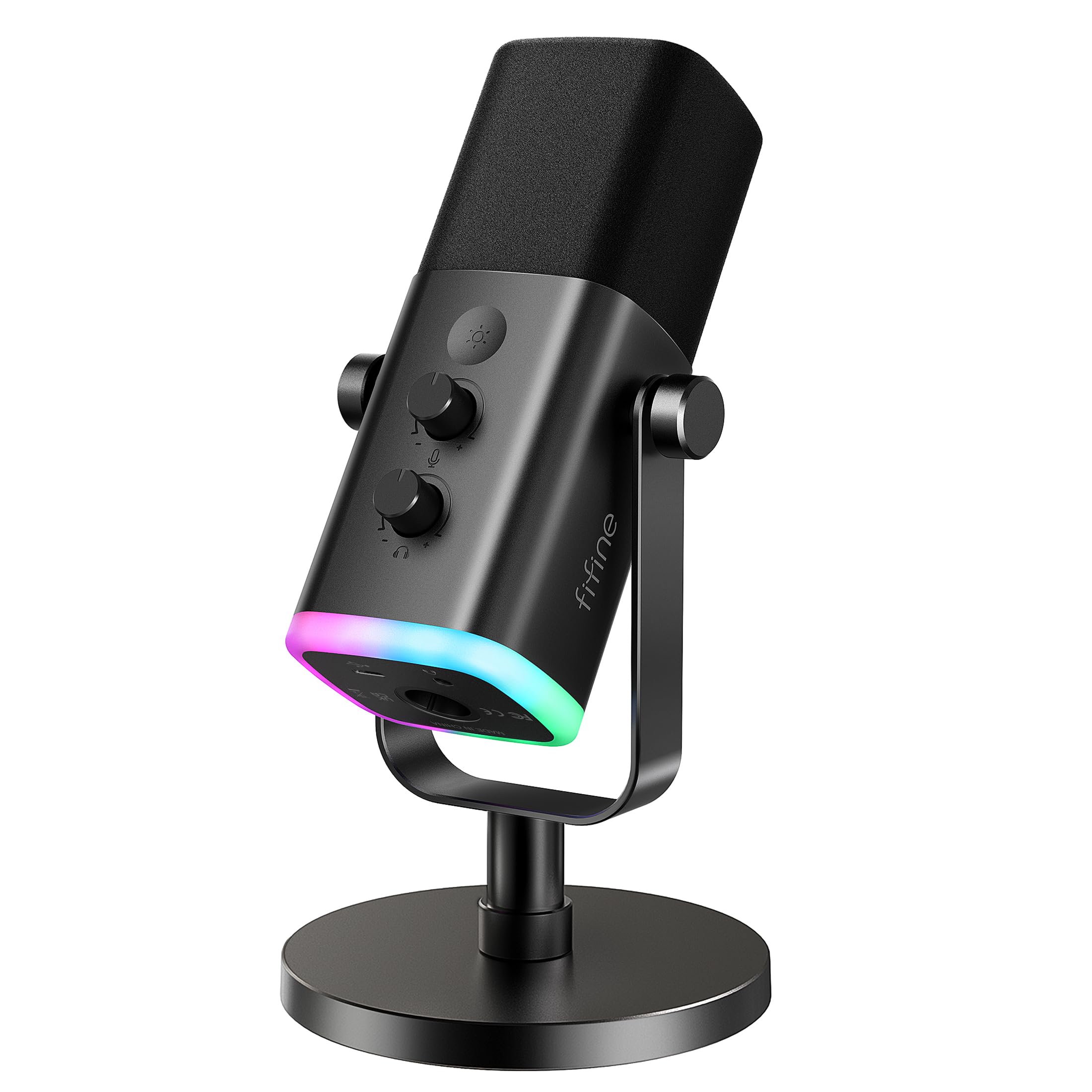
Choose the MAONO if wireless operation and battery use are priorities. The FIFINE is a better fit if you want an XLR connection option for an interface or mixer and can accept a cable-based setup.
- The FIFINE AM8 provides USB and XLR connections, a cardioid dynamic capsule, tap-to-mute, headphone monitoring, and RGB during USB use.
- XLR cable is separate, and the mic's RGB and function key are inactive in XLR mode.
- The MAONO PD100W offers 2.4G wireless and USB modes, adjustable noise reduction, battery operation, and customizable RGB.
Multipurpose Dynamic Microphones alternative
600+ ratings
Read Amazon ReviewsSamson Q9U XLR/USB Dynamic Broadcast Microphone
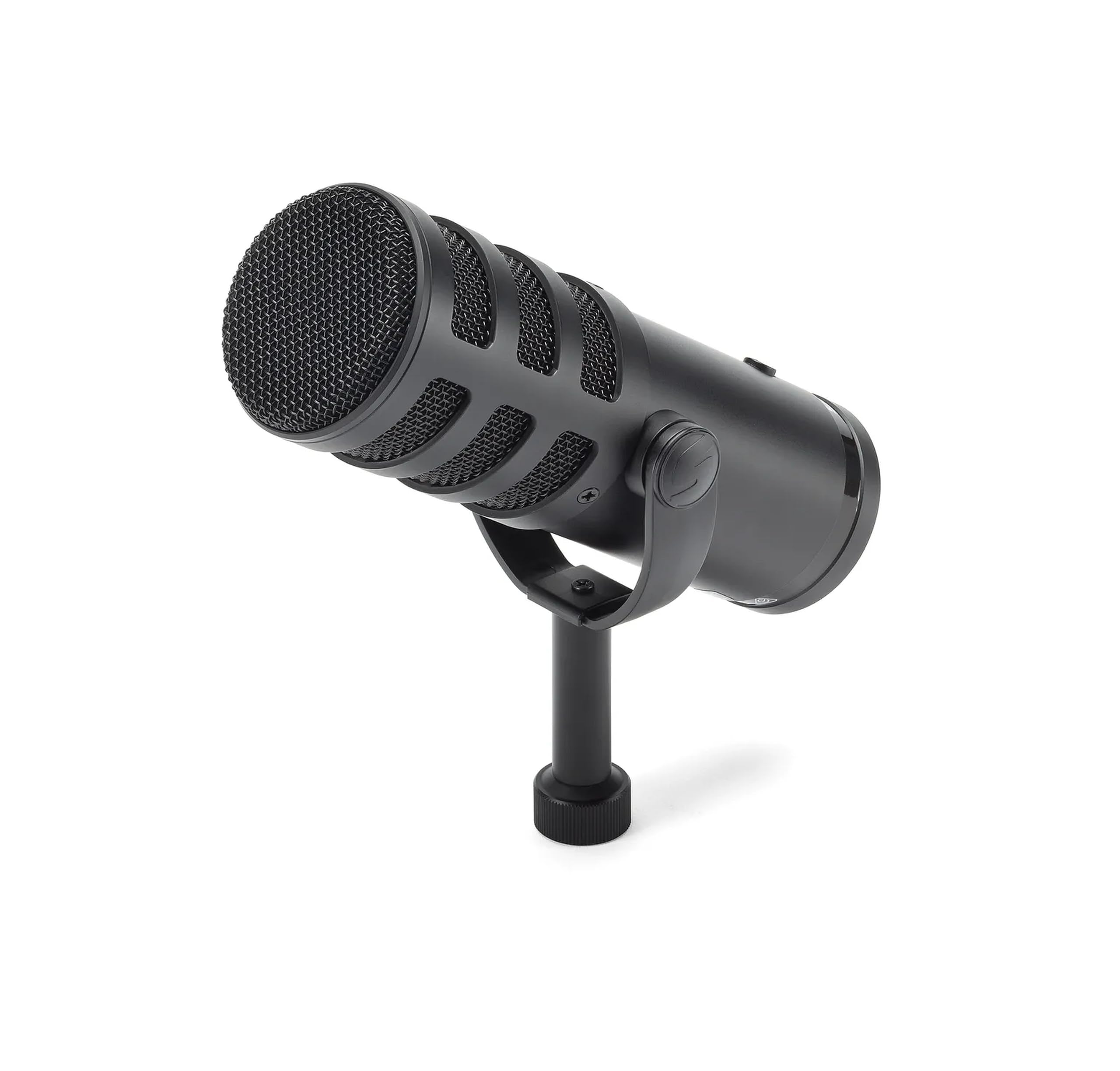
The MAONO suits buyers who value wireless flexibility and lighting customization. Consider the Samson if your setup is wired and you want both USB-C and XLR connectivity with high-resolution USB recording.
- The Samson Q9U offers XLR and USB-C connections, zero-latency headphone monitoring, an onboard mute switch, and a cardioid pickup pattern. Its USB connection supports 24-bit/96 kHz recording.
- The MAONO PD100W is built around wireless and USB use, with rechargeable operation and onboard controls for gaming and streaming.
Is MAONO PD100W Worth It?
The MAONO PD100W is worth considering for gamers and creators who want a voice-focused desktop microphone that can operate wirelessly or over USB.
Its selectable noise reduction, touch mute, headphone monitoring, and adjustable lighting give it a useful spread of features for streaming, calls, and casual recording.
Before choosing it, check compatibility with your devices and account for charging in wireless use.
The Xbox exclusion and separate iPhone Lightning receiver requirement are especially relevant; if those do not conflict with your setup, the PD100W offers a flexible set of controls and connection options.
Your review at a glance
600+ ratings
Read Amazon ReviewsMAONO PD100W
A practical fit for gamers and creators who want wireless or USB recording, onboard mute and monitoring, and adjustable voice controls in one desktop microphone.
- Dual connection modes: plug-and-play USB wired operation and 2.4G wireless operation.
- A 30 mm dynamic capsule with cardioid pickup, 50 Hz–16 kHz frequency response, 82 dB signal-to-noise ratio, and 125 dB SPL handling.
- One-click noise reduction with low, medium, and high adjustment levels.
- An 8 mm high-density foam windscreen and precision pop filter are designed to reduce breath pops and plosives.